April 2, 2026
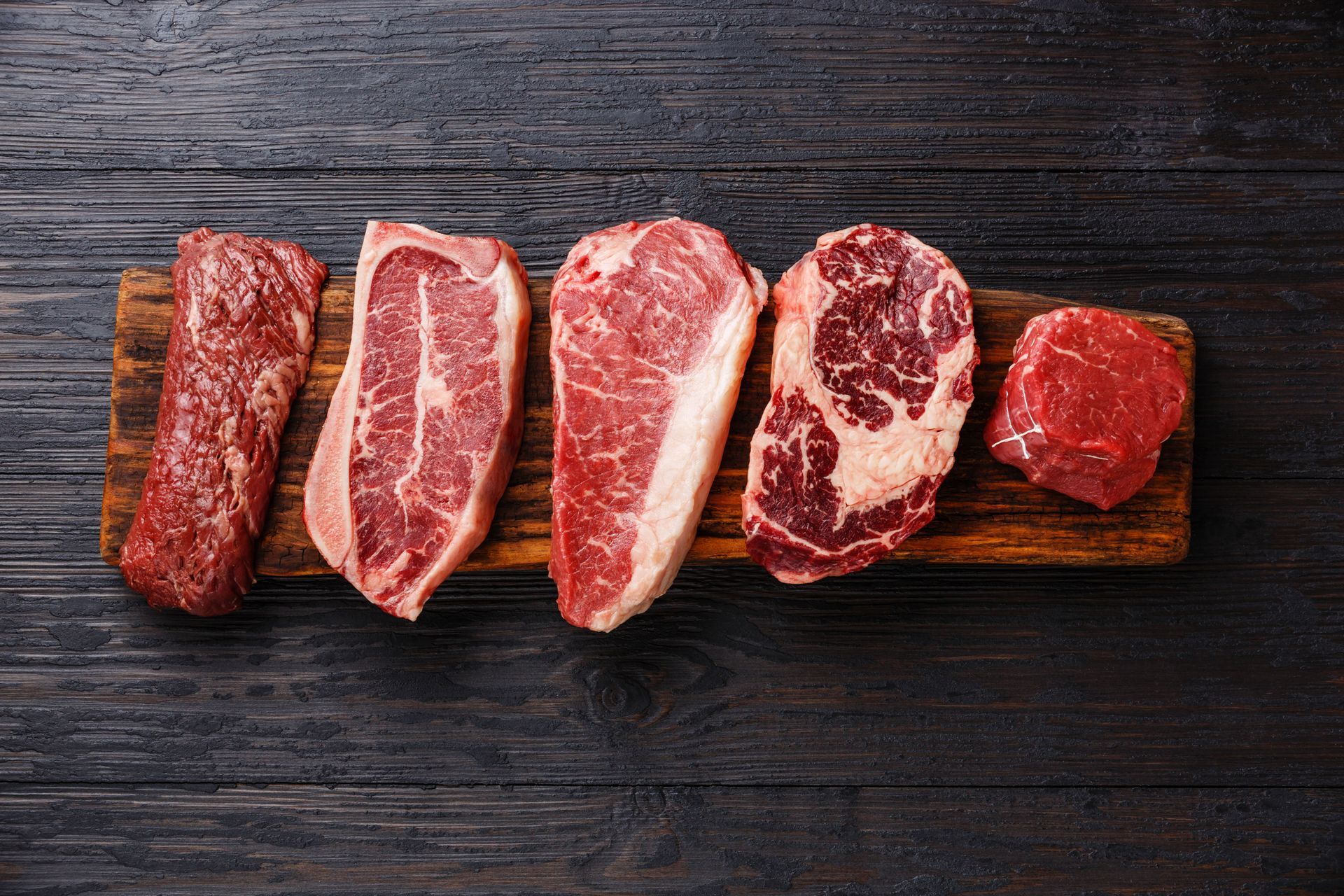
Steak lovers know that not all cuts are created equal. From tender, buttery bites to bold, beefy flavors, each cut of steak offers a unique experience on the plate. Understanding these differences—and how to cook each cut properly—can take your meals from ordinary to exceptional. Whether you're firing up the grill for a weekend cookout or preparing a special dinner at home, knowing which techniques bring out the best in each cut is key. In this guide, we’ll break down popular steak cuts and share the best ways to prepare them so you can enjoy restaurant-quality results every time.
1. Savor the Tenderness of Filet Mignon
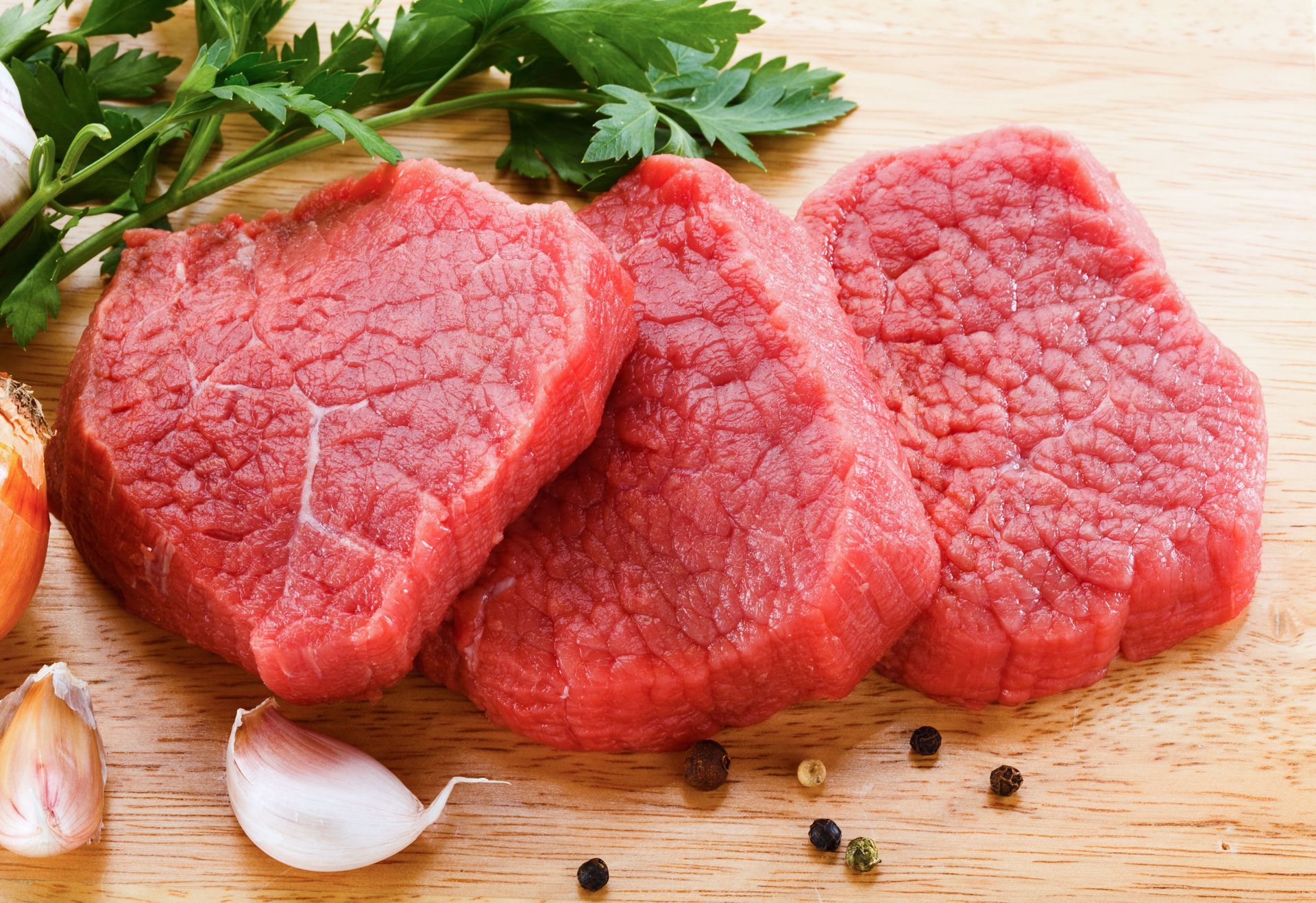
Filet mignon, often regarded as the king of steaks, originates from the smaller end of the tenderloin. Known for its exquisite tenderness, this cut offers a buttery texture and mild flavor. The filet mignon's tenderness comes from its location on the cow, where less muscle gets exercised. Although smaller, its richness makes for an indulgent culinary experience. Chefs and home cooks alike prize it for special occasions, where its melt-in-the-mouth quality can truly shine.
Filet mignon is best prepared using methods that don't overpower its delicate flavor. Grilling is a favored technique, as the high heat creates a perfect sear while maintaining the internal tenderness. Pan-searing in a cast-iron skillet is another excellent method, providing flavor through caramelization of the exterior. Sous vide, followed by a quick sear, ensures precise temperature control for a perfectly cooked center. A butcher will often recommend thicker cuts of filet mignon to preserve juiciness, and a butcher can trim the steak precisely for even cooking.
2. Enjoy the Rich Flavor of Ribeye Steak
Ribeye steak stands out for its marbling, offering a rich, juicy flavor that enthusiasts adore. According to Chowhound, an online industry resource, ribeye steaks are cut from ribs six through 12 and typically range in thickness from a half inch to two inches in diameter. The ribeye's fat content contributes to its robust flavor, making it a favorite for grilling. This cut's tenderness and the intense beefy taste embody why it's considered among the elite steak choices. Its luscious, marbled appearance suggests the succulent meal that follows.
The ribeye lends itself beautifully to grilling, where an intense char can enhance the steak's natural flavor. Reverse searing is a popular method, allowing the steak to cook evenly to the desired doneness before finishing with a high-heat sear. Pan-searing with butter and aromatics provides a rich flavor when outdoor grilling isn't an option. A finishing touch in the broiler can further enhance the charred, caramelized crust that steak lovers crave. No matter the method, ensuring a crispy exterior while maintaining a juicy interior is key to ribeye perfection. Your butcher can help you choose a ribeye with ideal marbling, and a butcher may suggest bone-in or boneless options depending on your preference.
3. Appreciate the Balance of New York Strip
The New York strip is a versatile cut prized for its balance of tenderness and flavor. Sourced from the short loin, it offers a firmer texture while maintaining juiciness. Known for its fine grain and significant marbling, this cut provides a satisfying chew that's full of flavor. It's a steakhouse favorite, appealing to those who enjoy a robust, hearty steak experience. Often called a "strip steak," this cut is perfect for those seeking a compromise between the tenderness of filet mignon and the flavor of ribeye.
New York strip steaks are best when cooked with techniques that emphasize their robust flavor. Grilling is highly recommended, providing the ideal char that enhances its inherent beefiness. Broiling in an oven offers a similar result, allowing high heat to develop a flavorful crust. Pan-searing is another popular option, delivering excellent caramelization with minimal fuss. Some chefs opt for sous vide to guarantee even cooking throughout, finishing with a quick sear. These methods ensure the strip stays succulent while delivering a flavorful crust. A skilled butcher can portion New York strip steaks evenly, and your butcher may also recommend dry-aged options for enhanced flavor.
4. Master the Dual Texture of T-Bone Steak
T-bone steaks are characterized by a T-shaped bone that divides two distinct cuts: the tenderloin and strip steak. This duality offers diners the best of both worlds, combining tenderness and flavor in one steak. The presence of the bone adds a unique dimension, helping to retain moisture during cooking. T-bones are beloved for their substantial size, making them ideal for sharing on special occasions. Both the tenderloin and strip sections offer contrasting textures and flavors, providing a diverse tasting experience.
Cooking a T-bone requires careful attention to ensure both sides cook evenly. Grilling is the preferred method, using high heat to sear the meat while maintaining a juicy center. Oven roasting is an excellent alternative, allowing for consistent temperature control. To balance the different cooking speeds of the tenderloin and strip, chefs often start the steak on the grill before finishing it in a preheated oven. The goal is to achieve a consistent doneness across both cuts while developing a savory crust. Careful management of heat is crucial to avoid overcooking the tenderloin. Your butcher can cut T-bone steaks to the right thickness, and a butcher ensures the proportions of tenderloin and strip are balanced.
5. Indulge in the Generosity of Porterhouse
Porterhouse steaks are similar to T-bones but feature a larger portion of tenderloin. This makes the porterhouse a more indulgent choice, offering substantial size and premium quality. Its large cut satisfies those with a hearty appetite, ideal for impressive presentations. The steaks are cut from the rear end of the short loin, where the tenderloin is at its thickest. Porterhouses are iconic symbols of steakhouse luxury, combining multiple textures in one generous portion.
Grilling is the favored method for cooking porterhouse steaks, providing high heat for a perfect sear. A two-zone fire setup allows chefs to sear the steak and finish cooking over lower, indirect heat. Another popular method is broiling, using the oven's high heat to mimic the charring achieved on a grill. Proper technique involves checking the internal temperature to ensure the tenderness of tenderloin and strip steak cooks evenly. Regardless of the method, a successful porterhouse has a crusty exterior and tender interior. A butcher can help you select a large, high-quality porterhouse, and your butcher may recommend sharing portions due to its size.
6. Choose the Versatility of Sirloin Steak
Sirloin steak offers a versatile and affordable option without sacrificing quality. Cut from the hip area, it combines leanness with enough marbling to retain flavor. Its moderate price point makes it accessible for everyday meals as well as special occasions. Sirloin's texture can vary from moderately tender to slightly chewy, depending on the specific cut. It's a popular choice for steak lovers who appreciate a balance between cost and quality.
Sirloin steaks lend themselves well to a variety of cooking methods, from grilling to pan-searing. Stir-frying with vegetables offers a quick and delicious way to incorporate sirloin into everyday meals. Broiling is another excellent option, achieving a high heat sear in a controlled environment. Quick searing followed by a brief rest period helps maintain juiciness. Whichever method, attention to timing is crucial to prevent overcooking, which can lead to toughness. Your butcher can recommend the best sirloin cut for your needs, and a butcher may suggest marinades or slicing techniques to enhance tenderness.
Exploring different cuts of steak opens the door to a richer, more rewarding cooking experience. Each cut has its own character, and when prepared with the right technique, it can truly shine. By understanding how to match cooking methods with the natural qualities of each steak, you can elevate both flavor and texture with confidence. Whether you prefer a tender filet or a richly marbled ribeye, mastering these basics ensures every meal feels intentional and satisfying. Reach out to Rising Star Custom Meats Inc to learn more about our services today.