June 2, 2026
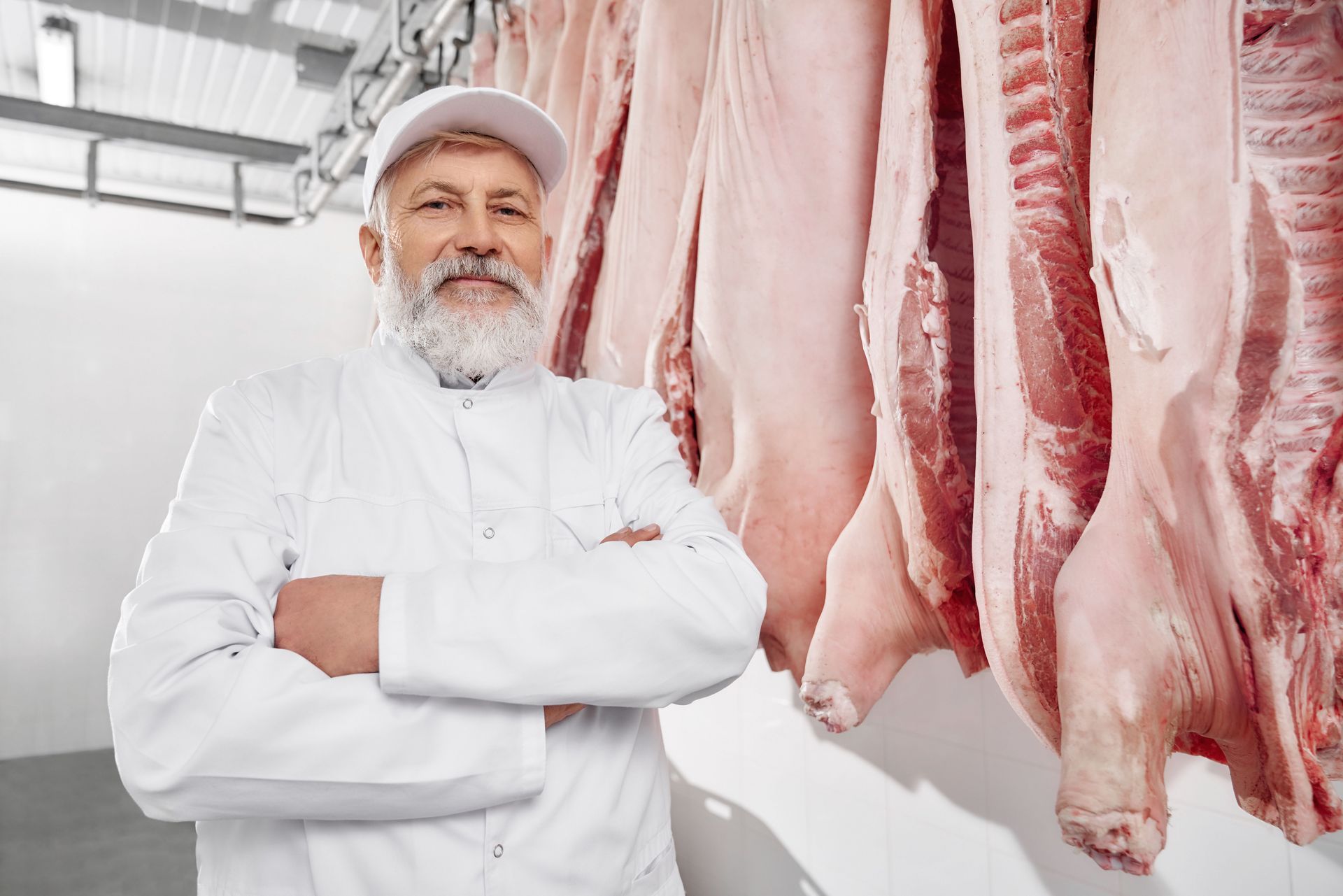
Walking into a shop filled with fresh meat can feel overwhelming if you normally browse prepackaged items at a grocery store. The sights and sounds of the processing floor tell a story of craftsmanship that dates back generations. Many people are deciding to source their food from local butchers these days to recapture that connection. They want to understand the origins of their meals and build relationships with the professionals who prepare them. Bringing home high-quality protein is easier when you know how to communicate your needs clearly.
To get the best results for your dinner table, you need to engage in a little conversation before you place an order. Purchasing meat in bulk is a very significant financial investment for any household. Whether you buy a few steaks for a weekend barbecue or invest in a whole cow to fill your freezer, asking the right questions makes all the difference. Knowing the standard daily practices of the shop ensures you walk away with exactly what you need. Explore four essential questions to guide your next visit.
1. What's Your Standard Aging Process?
Aging meat is a critical step that directly impacts the tenderness and flavor of the final product you bring home. When an animal is processed, the muscle fibers need time to relax and break down naturally. Natural enzymes work during this resting period to tenderize the beef and deepen its flavor profile. Proper temperature and humidity control are vital during this phase. If a shop rushes this step, you might end up with tough steaks that lack the rich taste you expect.
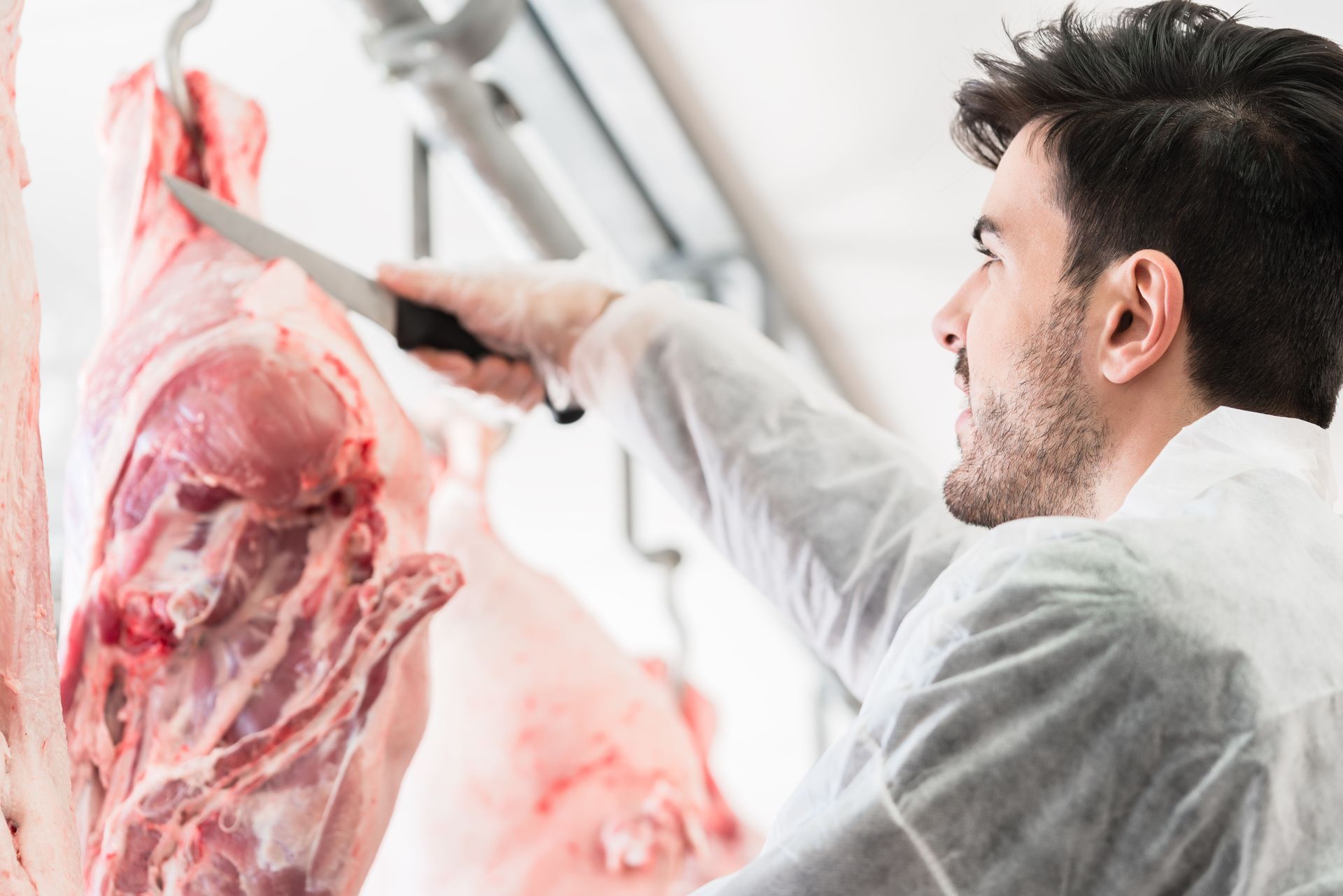
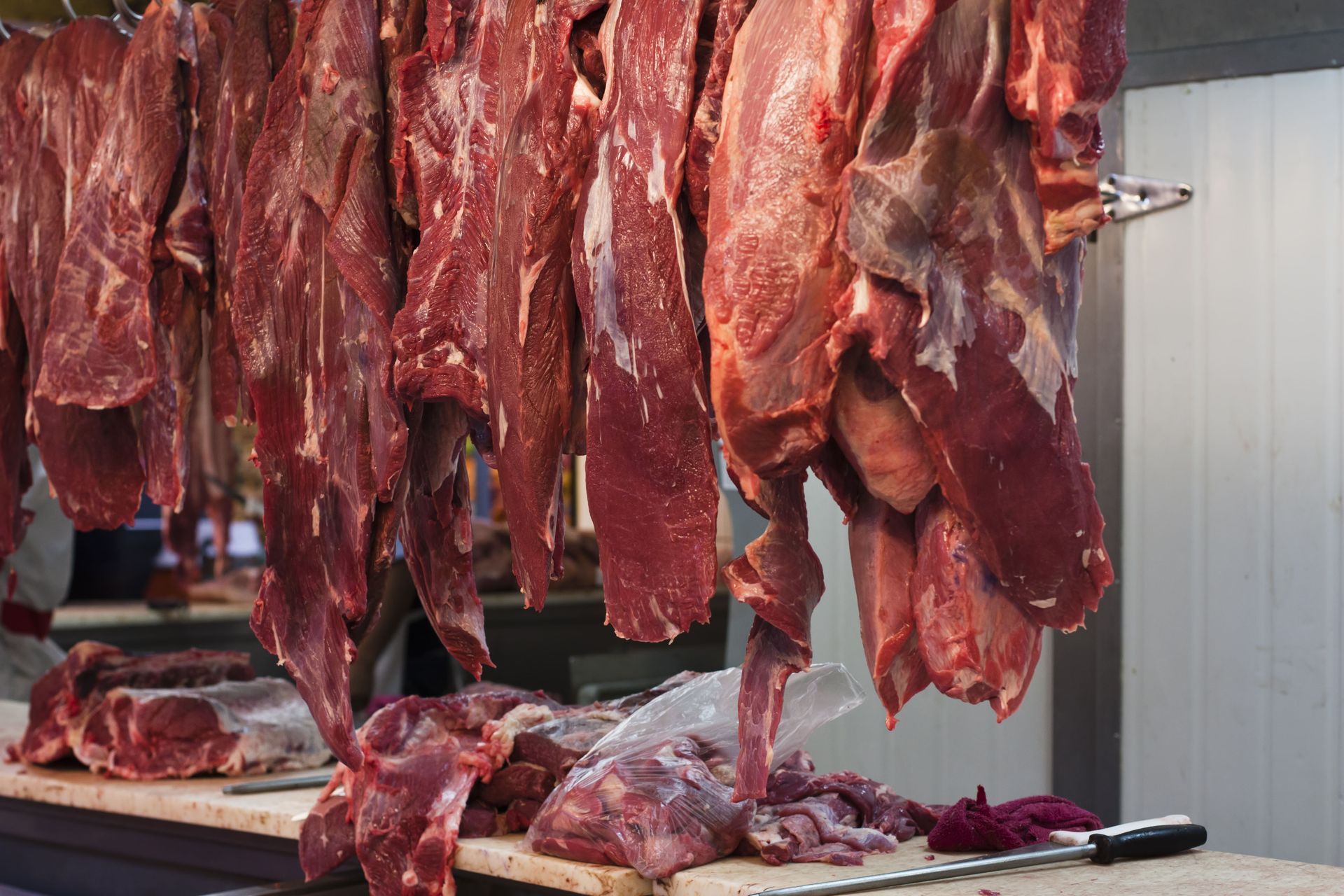
There are generally two methods for aging: wet aging and dry aging. Wet aging involves sealing the cuts in plastic vacuum bags and letting them rest in a refrigerated environment. This method retains moisture and happens quickly, but it does not concentrate the flavor as much. Dry aging happens in a controlled, open-air cooler where moisture evaporates steadily over time. This evaporation shrinks the overall weight of the beef but leaves behind an incredibly robust flavor that steak enthusiasts love.
Asking this question gives you insight into the timeline and techniques of your chosen professionals. Some shops age beef for 10 to 14 days, while others might push it to 21 days, depending on the size of the carcass. Understanding their timeline helps you plan your pickup date and ensures your culinary expectations are met perfectly. It also helps you understand why certain cuts cost more.
2. What Kind of Packaging Do You Use?
It is easy to focus entirely on the quality of the meat and forget about how it will be wrapped. However, packaging is one of the most important aspects of long-term food storage. When you invest money into stocking your freezer for the year, you need to know those cuts will remain fresh. Poor packaging allows freezing air to reach the surface of the meat, which leads to freezer burn, discoloration, and a ruined dinner.
Different shops have different preferences and equipment for wrapping their products. Many traditional processors use heavy-duty freezer paper. This method involves wrapping the meat tightly in a thick paper that features a protective plastic coating on the inside. This coating blocks out air and light effectively. When done correctly, paper wrapping provides excellent protection and makes the packages very easy to stack neatly.
Other local butchers prefer vacuum sealing their products. Vacuum sealing machines remove all the ambient air from a heavy plastic bag before applying a tight heat seal. This modern method is highly effective at preventing dehydration and extends the freezer life of your food significantly. By asking about their packaging choices, you can decide if you need to plan for faster consumption or store items longer.
3. What Are My Options for Custom Cuts and Specialty Items?
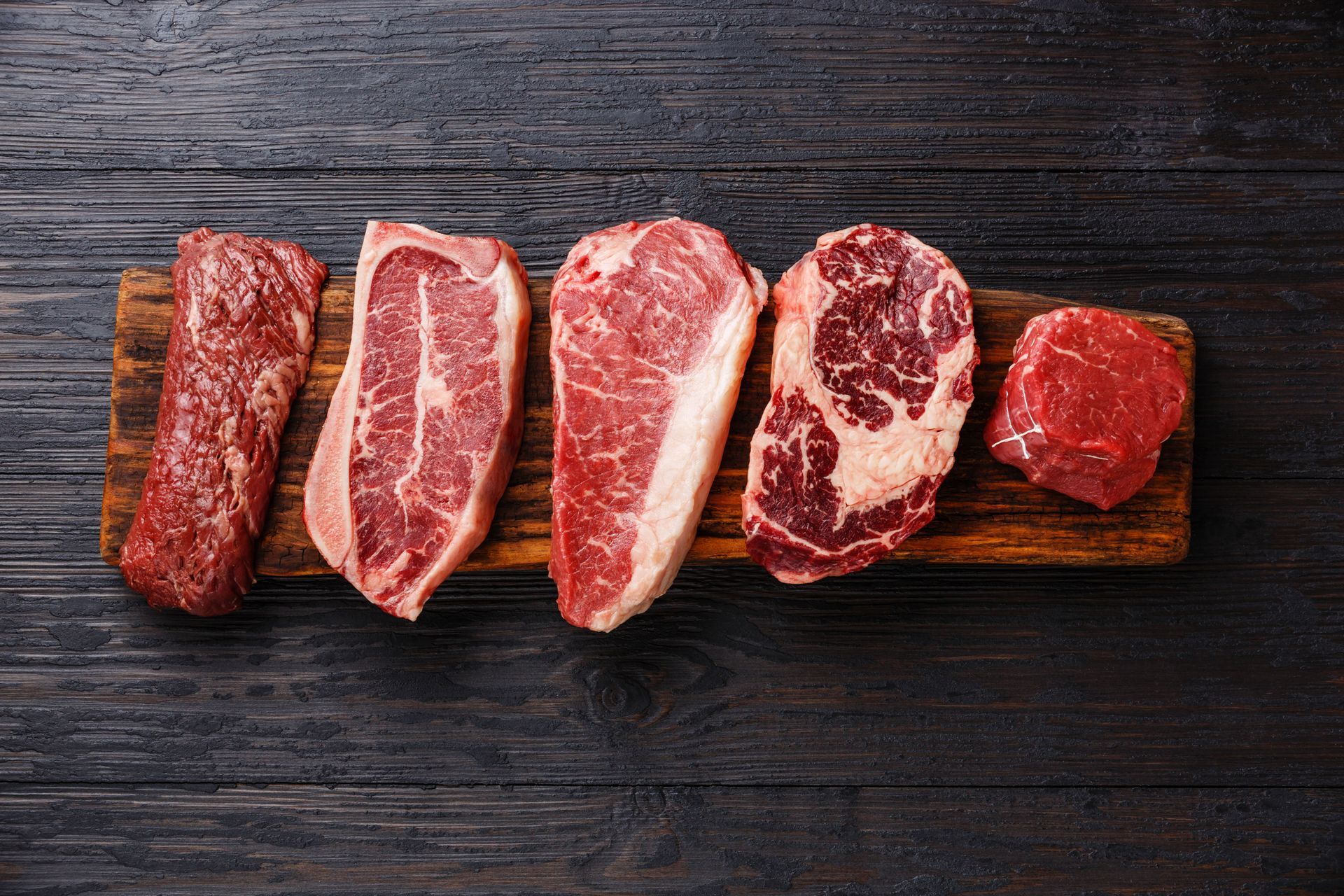
One of the main reasons to avoid the supermarket and buy directly from local butchers is the ability to customize your order. You are not forced to accept whatever thickness the store manager decided on that morning. You can specify exactly how thick you want your steak, what size roast will feed your family comfortably, and what ratio of lean meat to fat you prefer.
The scale of agriculture in some regions makes customization a highly valuable service. According to the Idaho Farm Bureau, there are over 2.5 million heads of cattle in Idaho. With so much beef available, knowing how to request specific cuts ensures you get the most out of your bulk share. Whether you purchase a quarter beef or half a pig, clear communication prevents waste and provides tailored meals.
Beyond standard steaks and roasts, you should ask about value-added products. Processing facilities often have the specialized equipment and culinary expertise to turn your trimmings into delicious specialty items. You might be able to request seasoned breakfast sausages, spicy bratwursts, summer sausage, or even hickory-smoked jerky. These items add wonderful variety to your freezer inventory and make quick weeknight dinners much easier for everyone.
4. Are You Equipped to Process Wild Game?
Hunting season brings a massive influx of venison, elk, and other wild game into processing facilities during the fall and winter months. If you're an avid hunter, you need to know if the shop is willing and legally allowed to handle your harvest. Wild game processing requires specific skills to maximize the yield while removing the tough silver skin and fat.
Handling wild game also involves strict hygiene and physical separation protocols. State regulations usually require facilities to prevent cross-contamination between domestic livestock and wild animals. Many local butchers handle this by dedicating specific days of the week or entirely separate cutting rooms to wild game processing. Some shops stop processing domestic animals entirely during the peak weeks of hunting season to keep up.
Asking this question well ahead of time saves you the immense stress of finding a facility at the last minute after a successful hunt. Many facilities book up months in advance, so early communication is vital to securing a spot for your animal in their cooler. Knowing their schedule prevents you from scrambling to find a processor before the meat spoils prematurely.
Sourcing your meat from the professionals in your community is a rewarding experience that directly improves the quality of your home-cooked meals. When you step up to the counter equipped with the right questions, you establish a solid line of communication from the very start. You learn about the shop's aging timelines, understand the protective power of their packaging, and discover the best custom options available for your growing family. These conversations take the guesswork out of the purchasing process every single time you visit.
Don't be afraid to speak up and ask for exactly what you want during your next visit to the local shop. The meat experts behind the counter take great pride in their craft and are happy to share their extensive knowledge with curious customers. By building a reliable relationship with local butchers, you ensure your freezer stays packed with delicious, perfectly handled meat. It's a simple step that transforms how you shop for food.
If you're looking for high-quality processing tailored to your needs, contact our team at Rising Star Custom Meats Inc today. As your dedicated local butchers, we're here to answer your questions and help you fill your freezer with premium cuts.