September 30, 2026
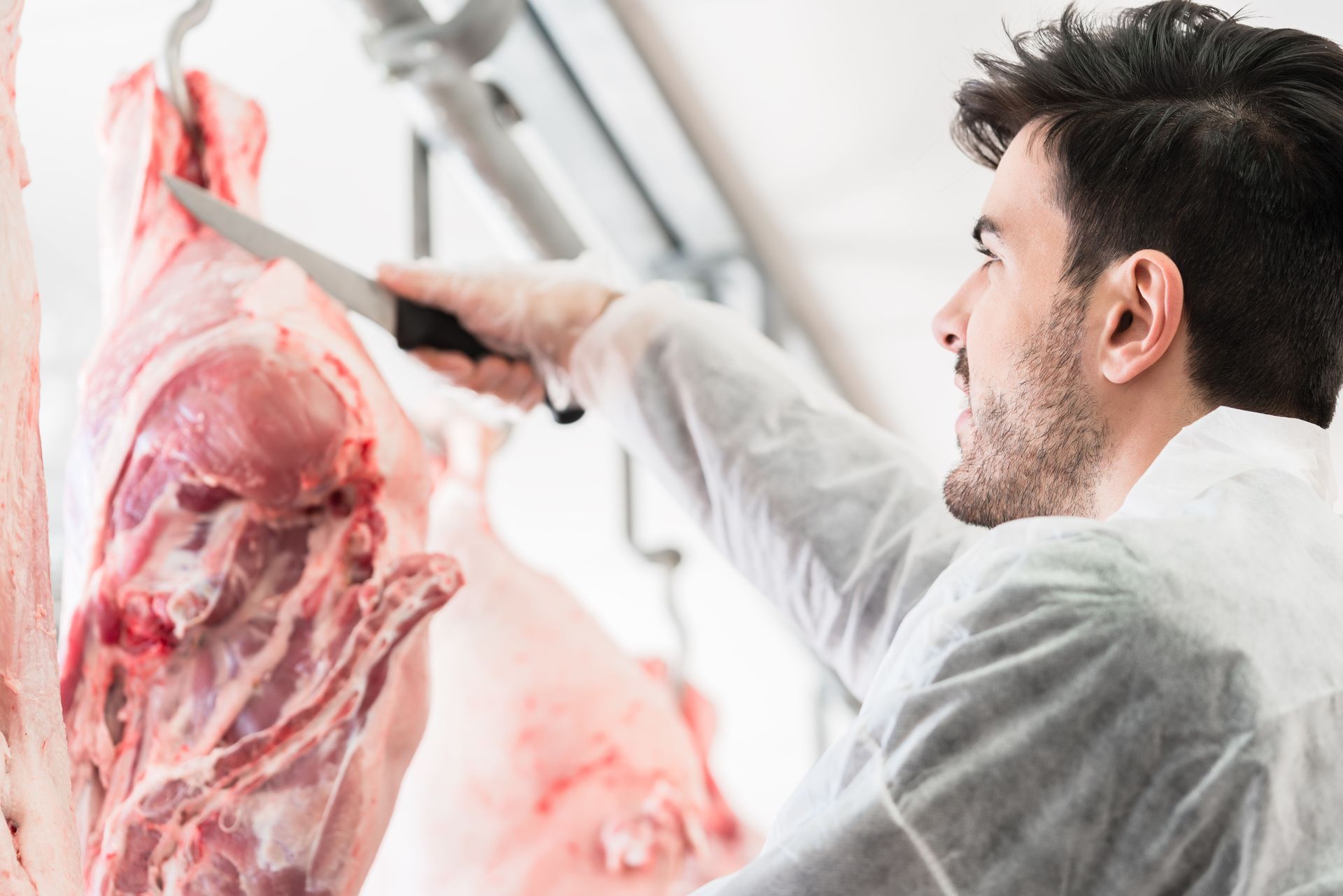
Custom meat processing can transform everyday meals by giving home cooks greater control over cut, portion size, thickness, and preparation. Working with a local butcher provides access to personalized service and practical knowledge that can be difficult to find when purchasing prepackaged meat. Instead of adapting a recipe to whatever cuts happen to be available, customers can request meat that is prepared specifically for grilling, roasting, smoking, braising, or another preferred cooking method.
This personalized approach also creates opportunities to experiment with unfamiliar cuts, improve portion planning, and learn more about where food comes from. Custom processing combines craftsmanship with culinary flexibility, helping cooks make selections that complement specific recipes and occasions. From choosing the appropriate cut to understanding aging, seasoning, and preparation, thoughtful meat selection can enhance flavor, texture, presentation, and overall dining enjoyment.
Understanding Custom Meat Processing
A local butcher can provide personalized recommendations based on a customer's cooking plans, preferred flavors, and desired portion sizes. Rather than simply selecting a package from a refrigerated case, customers can discuss how they intend to prepare the meat and receive suggestions accordingly. This makes it easier to select cuts with the right balance of tenderness, marbling, and structure for a particular recipe.
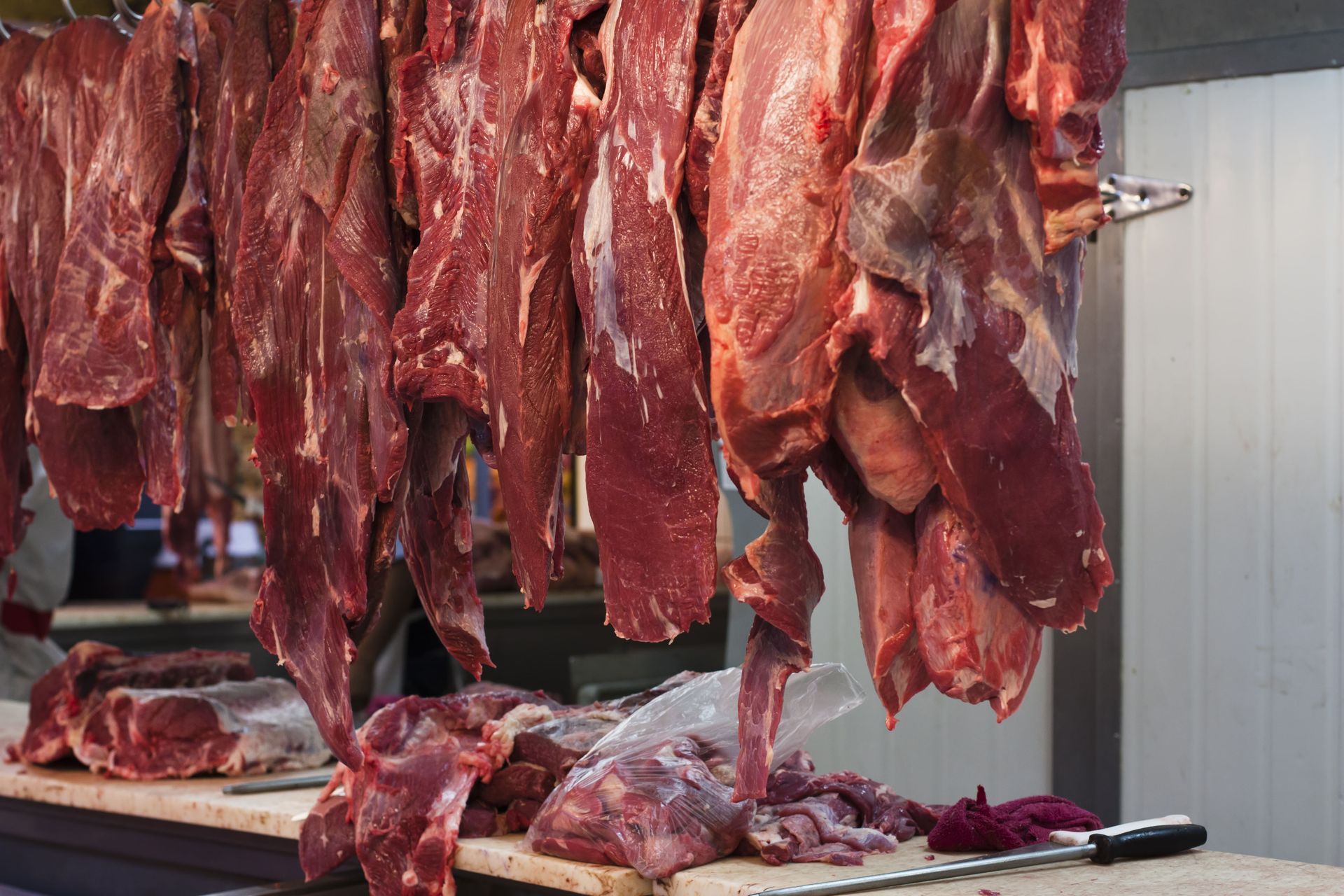
Custom processing may include cutting, trimming, deboning, grinding, portioning, or preparing meat according to individual specifications. Customers might request thicker steaks for grilling, smaller portions for weekly meal preparation, or bone-in cuts for recipes that benefit from additional richness. These options give cooks more control while helping them purchase meat suited to their actual needs.
Discovering the Benefits of Custom Cuts
One major advantage of customization is flexibility. Standard supermarket packages are designed to appeal to a broad range of shoppers, while custom cuts can be tailored to individual preferences. A customer can specify thickness, weight, fat trimming, bone-in or boneless preparation, and other characteristics. According to the 2025 Power of Meat report, 27% of consumers are more willing to spend more on meat when choosing customized options over standardized cuts.
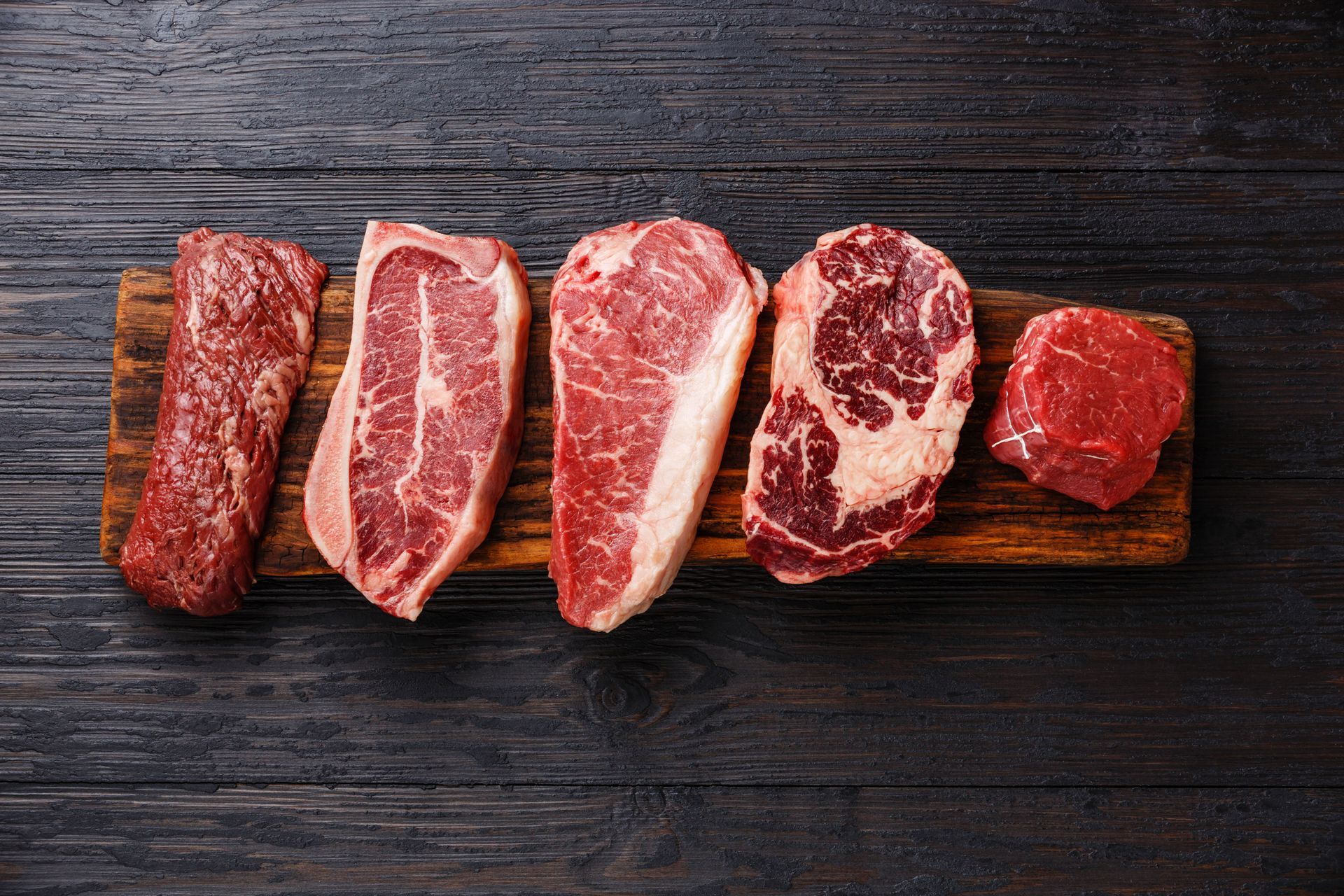
Working with a butcher can also help customers better understand less familiar portions of an animal. Cuts such as hanger steak, flat iron, beef shank, or pork shoulder may provide excellent flavor when prepared correctly. Learning how to use these options can expand a cook's repertoire while creating opportunities to prepare dishes beyond familiar steaks, chops, and roasts.
Selecting Meat for the Cooking Method
The intended cooking technique should play an important role in cut selection. Tender cuts generally perform well with quick, high-temperature methods such as grilling, broiling, or pan-searing. Tougher cuts containing more connective tissue can become exceptionally tender when cooked slowly through braising, smoking, or slow roasting. Matching the preparation method with the characteristics of the meat helps create better texture and flavor.
A knowledgeable butcher can explain how marbling, muscle structure, fat content, and thickness affect cooking performance. For example, ribeye is prized for its marbling and works well over high heat, while brisket benefits from extended cooking that gradually breaks down connective tissue. Understanding these differences helps cooks avoid unnecessarily tough or dry results.
Communicating Your Preferences Clearly
Effective communication is central to custom processing. Customers should explain what they are preparing, how many people they intend to serve, and which cooking technique they plan to use. Details about desired thickness, portion size, fat level, and bone preference can further refine the selection. Even customers who are unsure about a specific cut can describe the dish they want to prepare and ask for appropriate recommendations.
Building this type of relationship with a local butcher can make future shopping easier. Over time, the professional may become familiar with a customer's preferences and offer recommendations for new cuts or preparation methods. This relationship-based approach can turn meat shopping into an educational experience rather than a simple transaction.
Enhancing Flavor Through Aging
Aging can significantly influence tenderness and flavor. Dry-aging involves storing meat under carefully controlled temperature, humidity, and airflow conditions. During this period, moisture loss concentrates flavors while naturally occurring enzymes contribute to tenderness. The resulting meat may develop a more concentrated and distinctive flavor than fresh cuts.
Wet-aging uses vacuum-sealed packaging to allow meat to age in its own juices. Because moisture loss is minimized, the resulting flavor tends to differ from dry-aged meat. A butcher familiar with aging techniques can explain available options and help customers determine which style complements their taste preferences and intended recipes.
Using Marinades and Seasonings Effectively
Seasoning should complement rather than overpower the natural qualities of meat. Dry rubs can build a flavorful exterior using salt, pepper, herbs, spices, and other ingredients. Marinades add flavor while certain acidic ingredients, such as citrus juice or vinegar, can affect the surface texture of meat. The appropriate approach depends on the cut, thickness, cooking method, and desired final flavor.
Flavor pairings can also vary by protein. Rosemary and thyme traditionally complement lamb, while garlic, pepper, and savory herbs work well with many beef dishes. Pork pairs easily with both savory and sweeter ingredients, including mustard, apple, honey, and herbs. Chicken provides a versatile base for everything from citrus and garlic to smoky spices and fresh herbs.
Making the Most of Seasonal Ingredients
Seasonal produce can add freshness and variety to meat-centered meals. Summer grilling may feature fresh corn, tomatoes, peppers, or herbs, while autumn meals can incorporate squash, apples, root vegetables, and warming spices. Selecting ingredients according to the season creates natural opportunities to change menus throughout the year.
Customers can also ask a butcher about meat selections that complement seasonal cooking styles. Larger roasts may suit holiday gatherings, while steaks, burgers, sausages, and kebab-ready cuts can simplify outdoor entertaining. Combining appropriate cuts with fresh seasonal ingredients can produce balanced meals without requiring complicated recipes.
Supporting Local Farms and Responsible Sourcing
Custom processing can provide an opportunity to learn more about sourcing. Local meat businesses may develop relationships with nearby farms and suppliers, giving customers greater insight into where products originate. Shoppers interested in particular farming or animal welfare practices can ask questions about sourcing rather than relying exclusively on package labels.
Purchasing locally can also help circulate money within the surrounding community. Many customers value knowing more about the businesses involved in producing and processing their food. Transparency regarding sourcing, processing methods, and available cuts can help consumers make purchasing decisions that reflect their priorities.
Reducing Waste Through Thoughtful Processing
Custom processing can help customers purchase portions that correspond more closely with household needs. Properly sized packages make it easier to prepare appropriate quantities and freeze additional portions for future meals. This can reduce the likelihood that unused meat will remain in the refrigerator until it must be discarded.
Whole-animal processing can also encourage broader use of available cuts. Grinding, sausage preparation, stock bones, roasts, and specialty cuts provide ways to use portions that might otherwise receive less attention. Customers interested in minimizing waste can discuss available options and determine which products fit their normal cooking habits.
Mastering Grilling and Smoking
Grilling works particularly well for cuts that respond favorably to high heat. Bringing meat to the appropriate cooking temperature without excessively drying the exterior requires careful heat management. Thickness, fat content, grill temperature, and resting time can all influence the final result. Allowing cooked meat to rest before slicing also helps preserve moisture.
Developing a relationship with a butcher can also provide an ongoing source of practical culinary knowledge. Asking questions, trying unfamiliar cuts, and experimenting with different cooking methods can gradually build confidence in the kitchen. With thoughtful selection and preparation, custom meat processing can turn everyday meals into more personalized and enjoyable dining experiences. Contact our team at Rising Star Custom Meats Inc today and learn more about our butcher services.