November 2, 2026
Protein has taken center stage in modern nutrition, evolving from an athletic buzzword into the foundational cornerstone of daily health and vitality. Whether consumers are seeking sustained metabolic energy, muscle retention, or simple, honest sustenance, how we choose to nourish ourselves matters more than ever. According to the IFIC’s 2025 Food & Health Survey, roughly 80% of Americans prioritize protein content during at least one daily meal. Yet in a retail landscape dominated by heavily processed shortcuts and industrial livestock systems, true dietary value cannot be measured in raw grams alone. Choosing to invest in quality meat is not merely a gourmet indulgence; it represents a commitment to personal well-being, ecological stewardship, and culinary integrity. To build a healthier plate, the most powerful resource at your disposal is the artisan standing right on the other side of the meat case: your neighborhood butcher.
Understanding What Makes Meat High-Quality
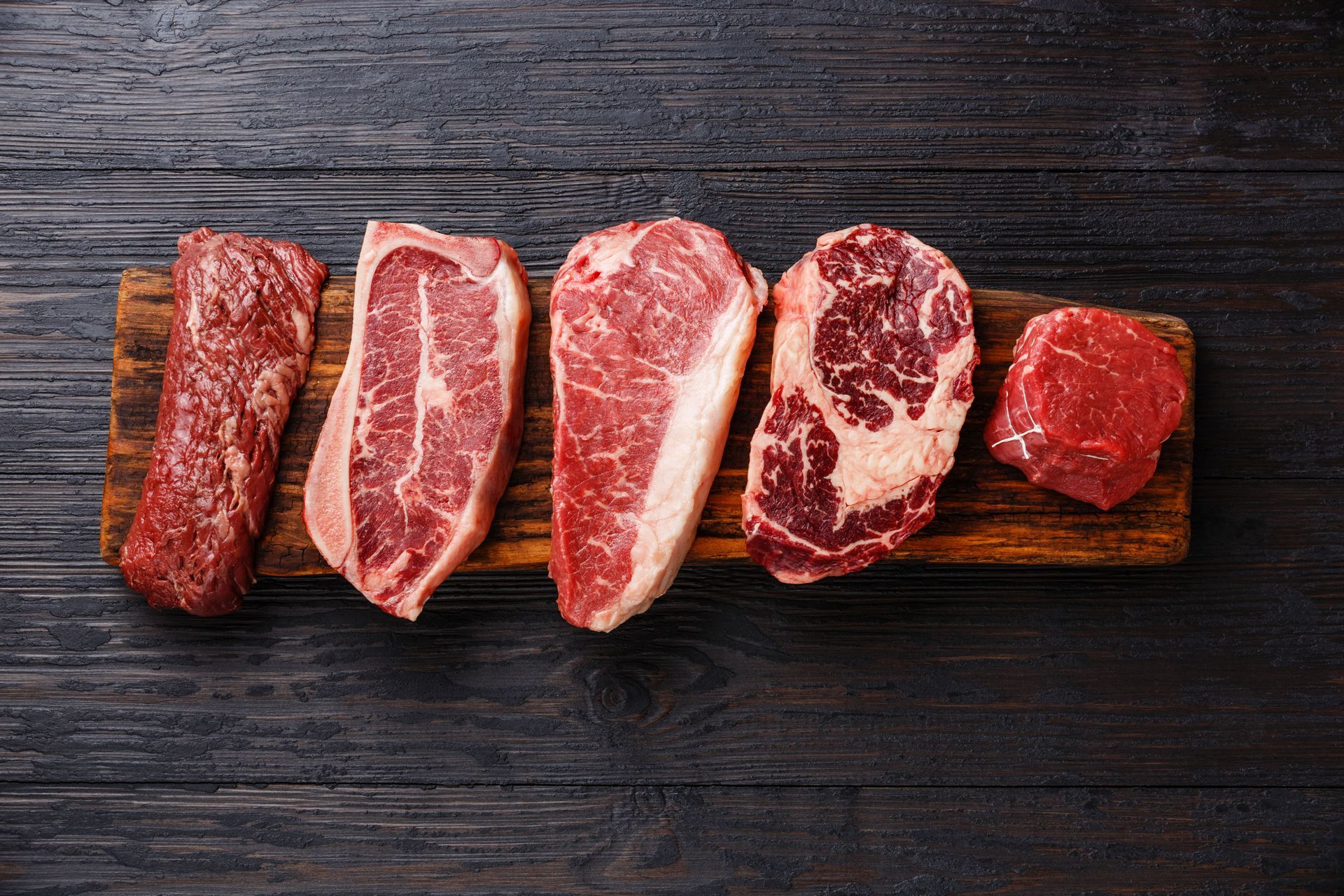
Walking into an industrial supermarket meat aisle often means encountering fluorescent-lit cases packed with uniform, watery cuts resting on absorbent pads. True culinary quality, however, is dynamic, nuanced, and visibly distinct. The first indicator of superior meat is intramuscular fat, commonly known as marbling. Unlike a thick outer rim of subcutaneous fat that is frequently trimmed away, fine ribbons of white marbling melt during cooking, basting the muscle fibers internally to deliver unmatched juiciness, flavor complexity, and tenderness.
Beyond marbling, the hue and density of the meat speak volumes about how the animal was raised and handled. Premium pasture-raised beef displays an earthy, ruby-red tone rather than a pale pink tint, signaling mature muscle development and high iron levels. Premium pork presents a deep, rosy blush rather than translucent chalkiness. Proper moisture retention also matters; high-grade proteins undergo traditional chilling and aging rather than chemical hydration baths. When assessing these subtle structural indicators, a skilled butcher evaluates muscle grain, density, and fat firmness to ensure that only the most nourishing, naturally raised cuts make it to the counter.
Sourcing Protein Beyond the Supermarket Aisle
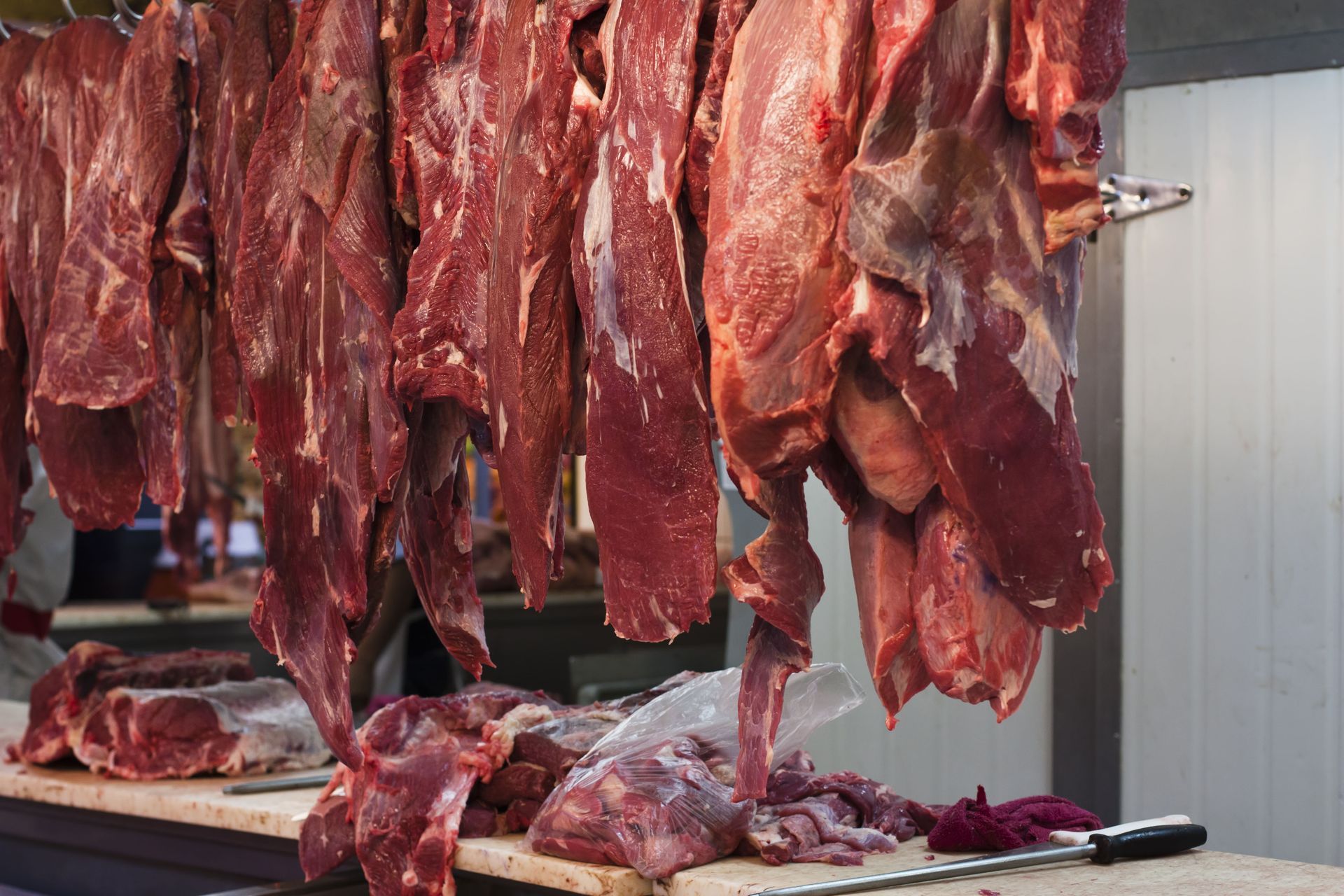
The conventional meat distribution network relies heavily on centralized packing houses designed for scale and shelf-life extension rather than culinary perfection. Much of this inventory is pumped with saline solutions, tenderizers, or modified atmospheric gases to artificially preserve a fresh look long after processing. This industrial opacity leaves shoppers guessing about the origin of their dinner, how the livestock lived, and how long the product lingered in refrigerated shipping containers.
Bypassing commodity aisles in favor of artisanal purveyors reconnects your dining table directly with regenerative farms and clean agricultural practices. Pasture-raised animals raised without subtherapeutic antibiotics or growth stimulants produce nutrient-dense meat packed with favorable omega-3 to omega-6 ratios, conjugated linoleic acid (CLA), and critical bioavailable vitamins. A dedicated, community-focused butcher cultivates direct partnerships with local farmers who champion sustainable grazing, transparent animal welfare, and ethical stewardship. By investing in this shortened, transparent supply chain, you ensure that every dollar spent supports real farmers while keeping your family free from synthetic additives and industrial shortcuts.
Selecting Economical Cuts With Premium Flavor
A common misconception among home cooks is that upgrading meat quality requires purchasing luxury center-cut steaks such as ribeyes, tenderloins, or strip loins every week. While those celebrated cuts certainly have their place, they represent only a tiny fraction of the animal. An artisan shop provides access to secondary and artisan cuts that deliver richer, more robust flavor profiles at a fraction of the cost per pound.
Consider incorporating underrated selections into your regular meal rotation:
- Bavette (Flap Steak): Taken from the bottom sirloin, this cut boasts loose, coarse graining that soaks up marinades beautifully and sears into a deeply savory, medium-rare steak.
- Chuck Eye: Often called the "poor man’s ribeye," it sits right next to the prime rib section, offering comparable richness, delicate marbling, and tender texture at budget-friendly pricing.
- Flat Iron: Cut across the shoulder blade, this muscle is second in tenderness only to the tenderloin, making it an extraordinary option for quick grilling or flash-frying.
- Shanks and Collars: Collagen-heavy cuts like beef or lamb shanks and pork collar transform into velvety, melt-in-your-mouth stews when cooked low and slow.
When you walk into a full-service shop, asking your butcher what secondary cuts are fresh and cost-effective allows you to eat restaurant-caliber dishes while maintaining a practical grocery budget.
Utilizing Custom Trims for Maximum Nutrition
Investing in whole-animal butchery unlocks a level of kitchen efficiency and zero-waste utility that pre-packaged grocery trays cannot match. Commodity supermarket packaging forces consumers into fixed portion sizes, odd thicknesses, and standardized bone profiles that frequently lead to spoilage and food waste at home. In contrast, personalized craftsmanship guarantees that you pay solely for what you intend to cook and consume.
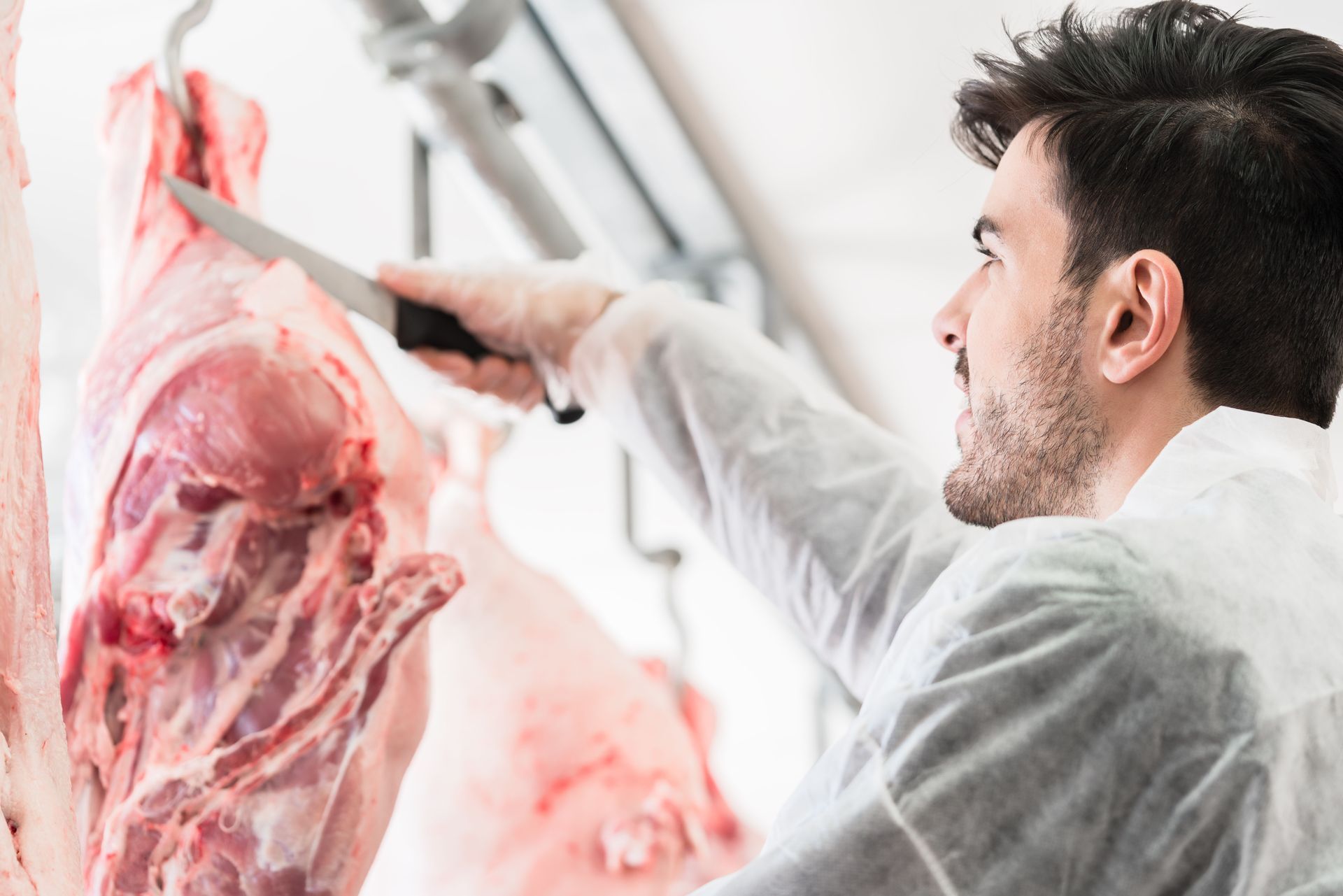
Behind the counter, an experienced butcher can hand-trim gristle, separate silver-skin, French bones for elegant presentation, or cut steaks to the precise thickness your preferred cooking method requires. This personalized knife work extends directly to whole-animal ground grinds. Instead of settling for mysterious scraps blended in commercial processing plants, you can request custom ground chuck, brisket, and short-rib blends with a calibrated 80/20 lean-to-fat balance.
Furthermore, engaging with your butcher allows you to bring home nutrient-dense culinary assets that supermarket supply chains routinely discard. Bones, connective tissue, marrow bones, and grass-fed fat caps can be rendered into restorative broths, restorative gelatins, and pure tallow. These age-old staples infuse everyday weeknight cooking with collagen, amino acids, and essential fatty acids, extracting 100% nutritional yield from your investment.
Storing and Preparing Meat for Peak Value
Bringing home pasture-raised, thoughtfully sourced protein is only half the journey; preserving its structural integrity in your home kitchen ensures you reap every bit of its value. Avoid suffocating fine meat in plastic cling wrap, which traps condensation and accelerates bacterial spoilage. Instead, store fresh cuts in unwaxed, breathable peach paper on the coldest bottom shelf of your refrigerator to let the exterior dry slightly, which is essential for achieving a perfect pan sear.
When cooking, keep these chef-approved guidelines top of mind:
- Temper Before Cooking: Remove your cuts from the refrigerator 20 to 30 minutes before cooking. Introducing ice-cold meat to a screaming-hot pan drops the cooking surface temperature instantly, causing the meat to steam rather than develop a golden crust.
- Dry-Brining: Salt your meat generously with coarse sea salt several hours in advance. This allows the salt to dissolve, penetrate deep into the fibers, and redistribute moisture evenly throughout the muscle.
- Rely on Digital Thermometers: Stop poking steaks or relying on arbitrary cooking timers. Invest in an instant-read digital probe to nail precise internal temperatures without guessing.
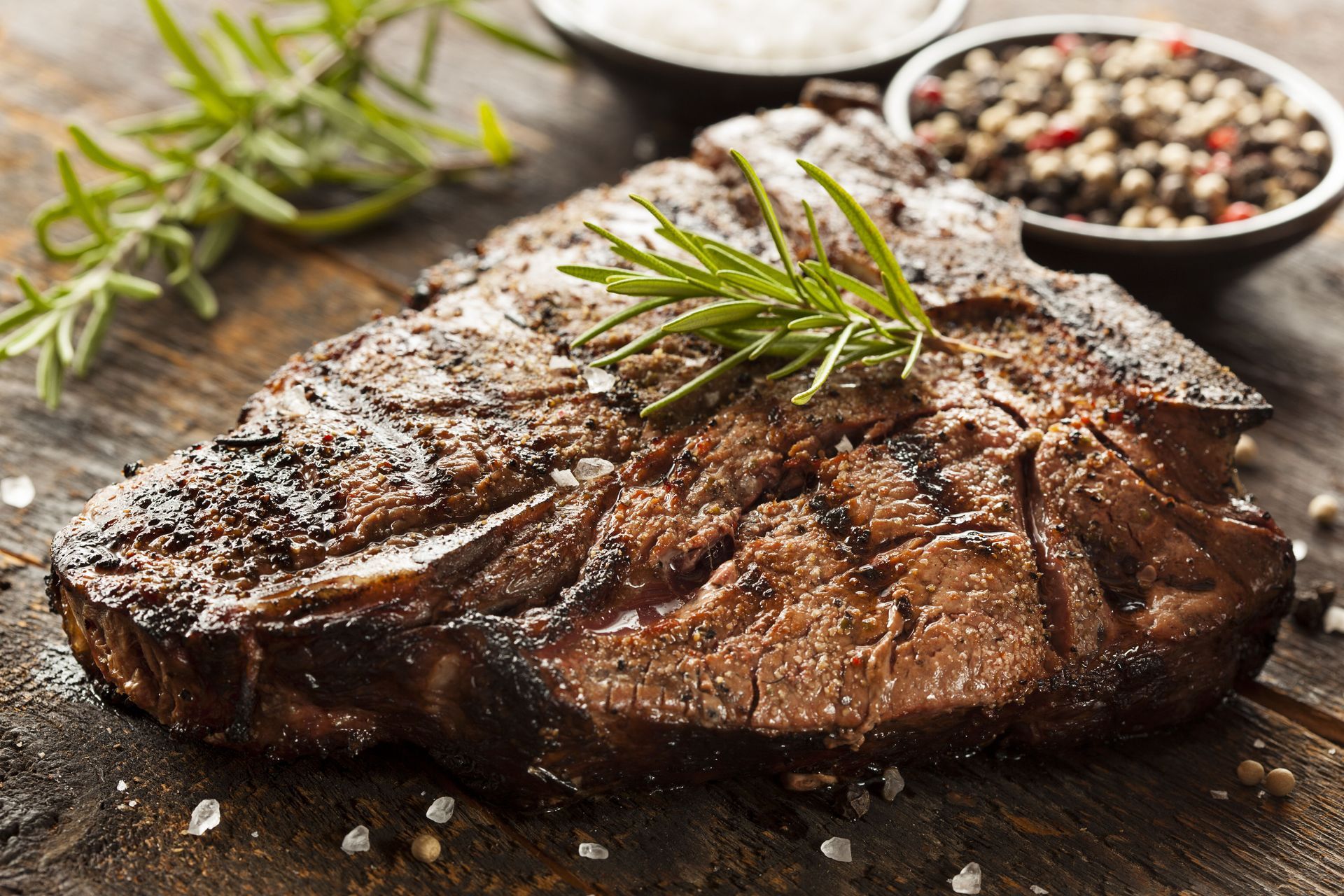
- Honor the Rest: Always allow cooked meat to rest on a warm board for 5 to 10 minutes before slicing. Resting allows contracted muscle fibers to relax and reabsorb liquid; slicing into meat right off the grill spills flavor and juices onto the cutting board instead of keeping it in the bite.
Following proper storage and handling recommendations shared directly by your butcher protects your financial investment and guarantees that every cut delivers tender, mouthwatering results.
Upgrading your protein habits goes beyond tracking daily macros—it is an investment in ethical farming, sustainable agricultural heritage, and superior gastronomic satisfaction. By understanding marbling indicators, exploring economical secondary cuts, and adopting sound kitchen habits, you turn every meal into a celebration of real, wholesome food. Your local
butcher is not simply a retail clerk, but a passionate culinary partner dedicated to helping you make smarter, more delicious decisions for your household.
Visit Rising Star Custom Meats Inc today to explore our seasonal selection of pasture-raised, locally sourced meats. Our team is always ready to help you find the perfect cut to meet your nutritional goals and culinary tastes. Stop by the counter or order your custom package online to experience the difference firsthand.